

Ten forces

Why So Serious?

The ten forces that ruin play

Play is joy in motion: the God-given ability, and the permission, to enjoy the moment we are in with freedom and pleasure. It is what faith looks like when it stops gripping everything so tightly.

So why do adults lose it? Why does lightness start to feel irresponsible, and delight feel unsafe? Ten forces quietly ruin our capacity to play. Most people find two or three of these running their week. See which are yours.

A party in a living room, people laughing with drinks, while a woman in a blazer with a red work badge walks through the middle of it without stopping.

01

Seriousness

There is a seriousness that honors responsibility. And there is a seriousness that treats every hour as a problem to solve and never a gift to receive.

When everything feels weighty, play gets crushed. You assume everything depends on you and carry what was never yours to carry. That is not maturity.

It is fear dressed up as wisdom.
Back to all ten forces ↑

A woman in a closet packed with clothes and shopping bags, holding up another new dress and a long red receipt.

02

Discontentment

Discontentment stares at what is missing. Play sees what is present.

If life is always “not enough,” if tomorrow always feels more important than today, you will never enter the moment God actually gives you. Play requires the stubborn conviction that this moment matters. Not the ideal one. This one.

Back to all ten forces ↑

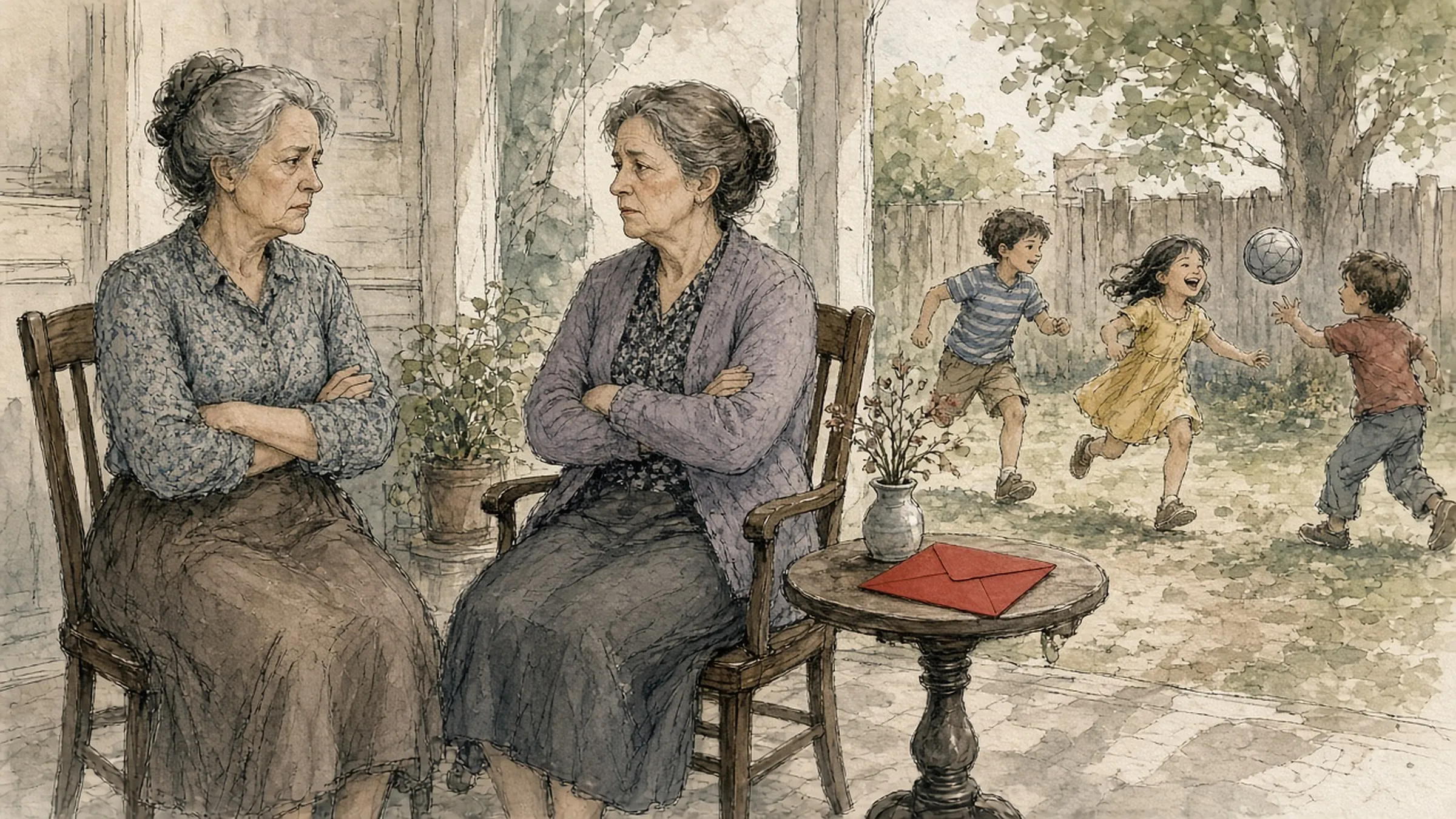
Two older women sitting with their arms crossed, a red envelope on the table beside them, while children play ball in the yard behind.

03

Resentment

Resentment, bitterness, unresolved hurt, shame, jealousy, and quiet anger all keep joy from moving.

You cannot laugh freely with someone you are secretly billing. Forgiveness is what gets joy moving again, and play with it.

Back to all ten forces ↑

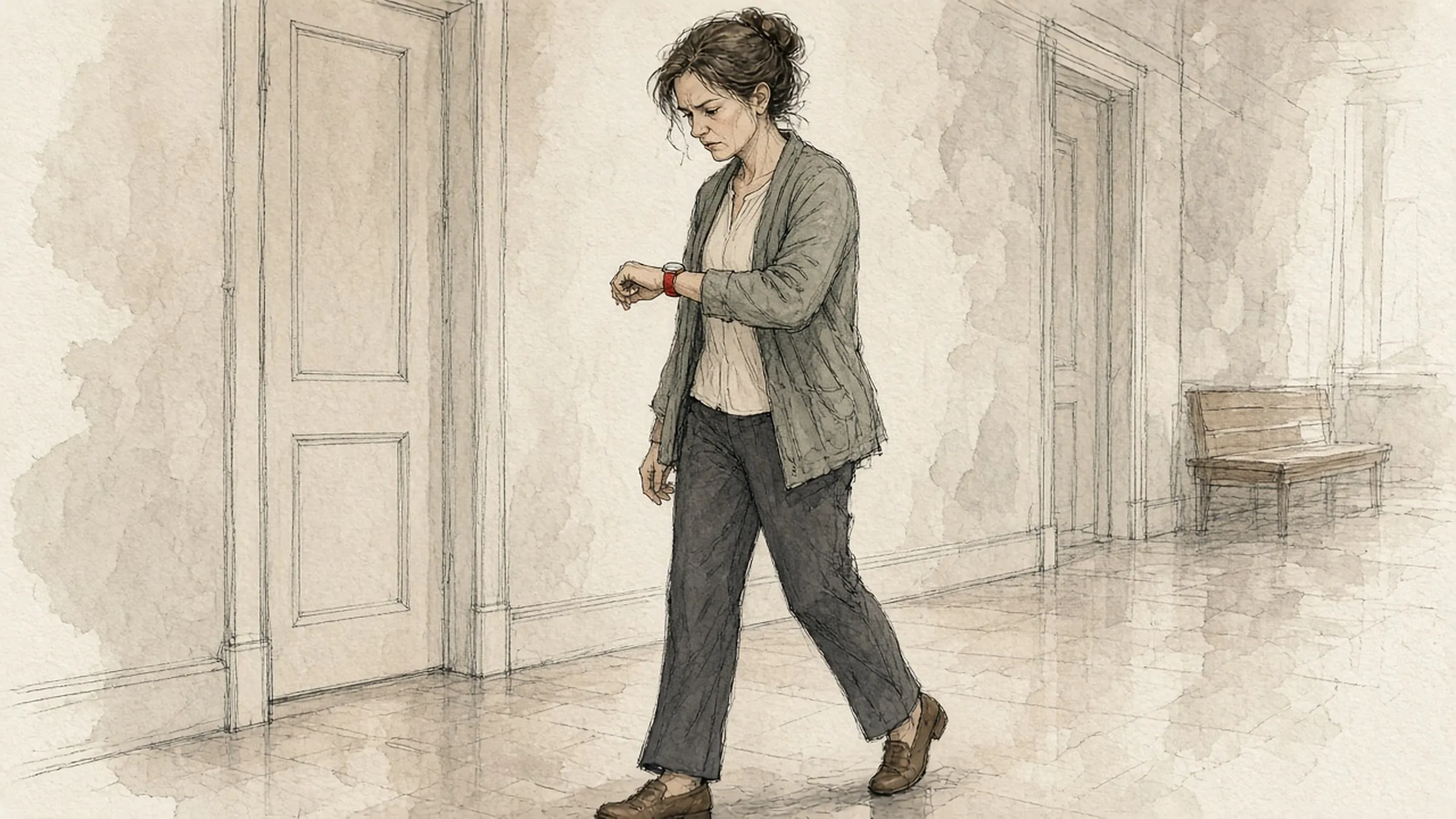
A woman walking fast down an empty hallway, checking her watch.

04

Time

The clock is not the enemy; plenty of games are played against one. The trouble is our relationship to it. We wake up behind. We measure our worth by output.

Play cannot survive in a life that is only optimized. It requires the courage to slow down, to “waste” time in the right ways, to let delight appear.

The problem is rarely a shortage of time. It's letting the clock run you: once life is counted in units, it gets easier to manage and harder to enjoy.

Back to all ten forces ↑

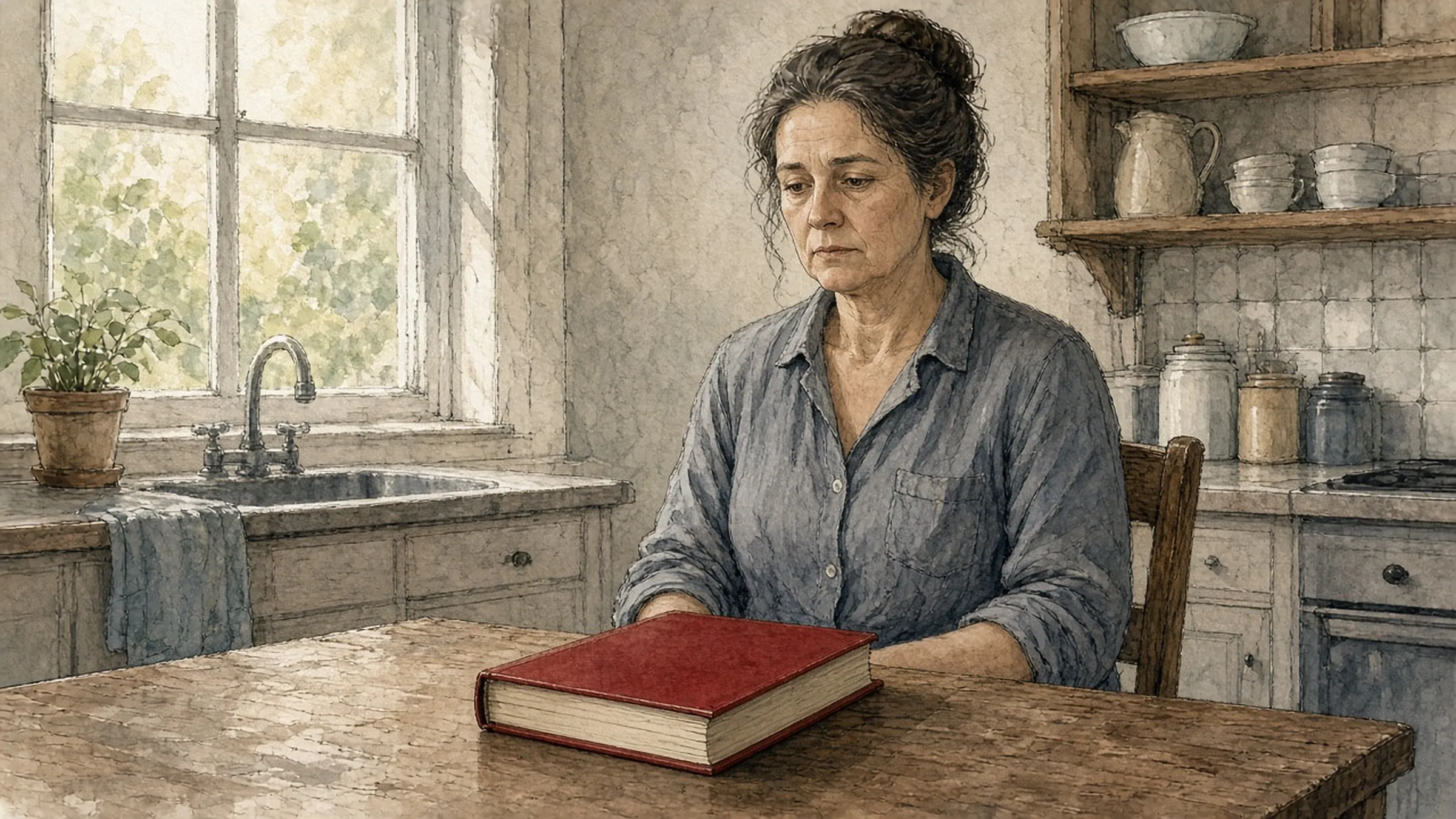
A woman sitting alone at a kitchen table, eyes down, a closed red book in front of her.

05

Religion

Many believers quietly suspect that joy is unsafe. Pleasure feels suspicious. Rest feels lazy. Delight feels unserious. So they shrink their lives in the name of holiness.

But joy was never the problem. Ecclesiastes says, “I commend joy” (Ecclesiastes 8:15).

A religion that cannot play is not deep; it is wounded. It gets better with grace, not pressure.

Back to all ten forces ↑

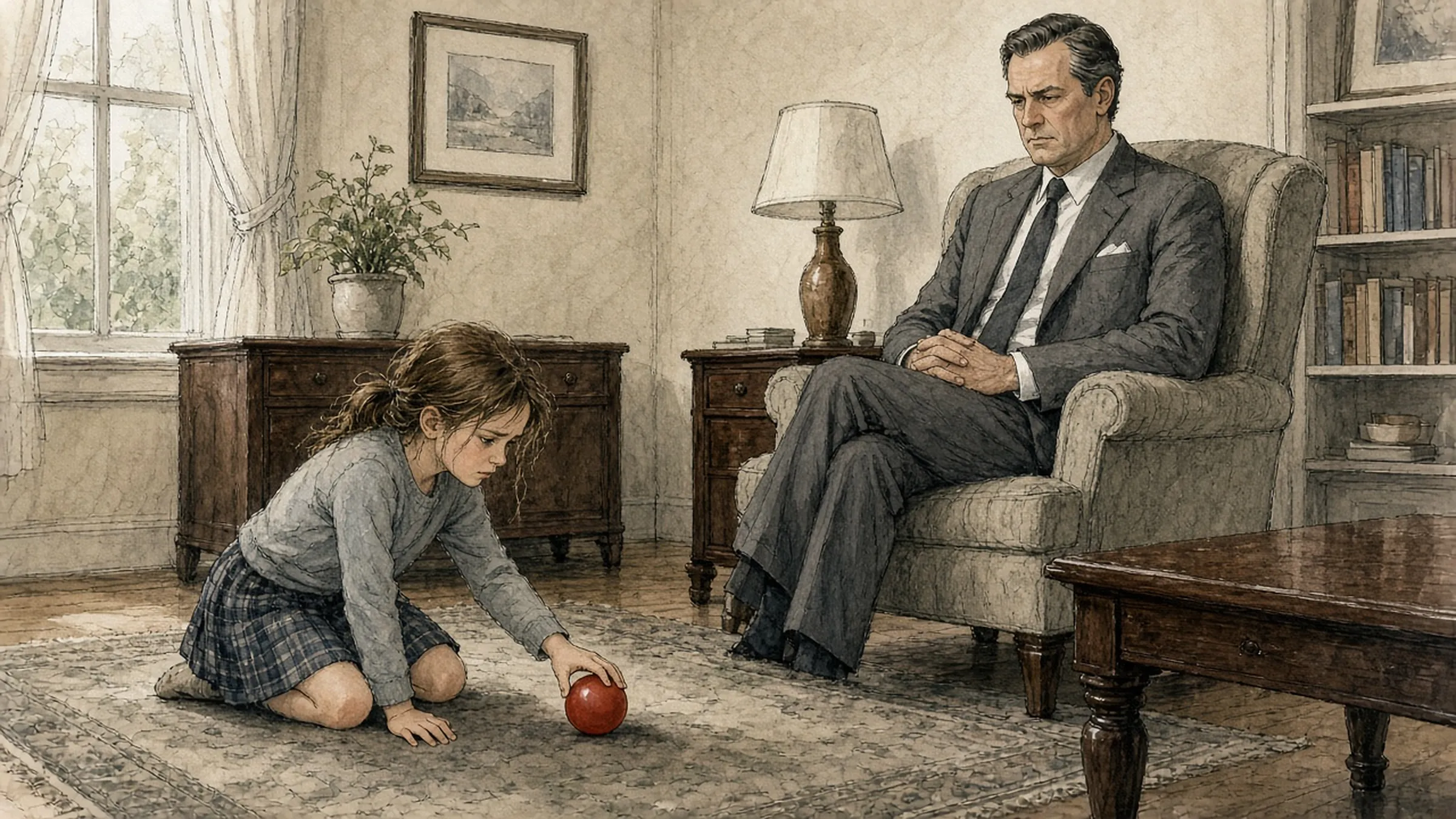
A girl kneeling on a rug reaching for a red ball, while a man in a suit watches from an armchair without smiling.

06

Family

The home you grew up in shapes how you feel about play.

Some grew up in homes where play was rare, where affection was thin, and where fun was seen as weakness. Others grew up in a home so chaotic and disorganized that a child never felt settled. Opposite homes, same result: an adult for whom play does not feel quite safe.

But the home you grew up in doesn't have the last word. Whatever you were taught, you can still learn to play.

Back to all ten forces ↑

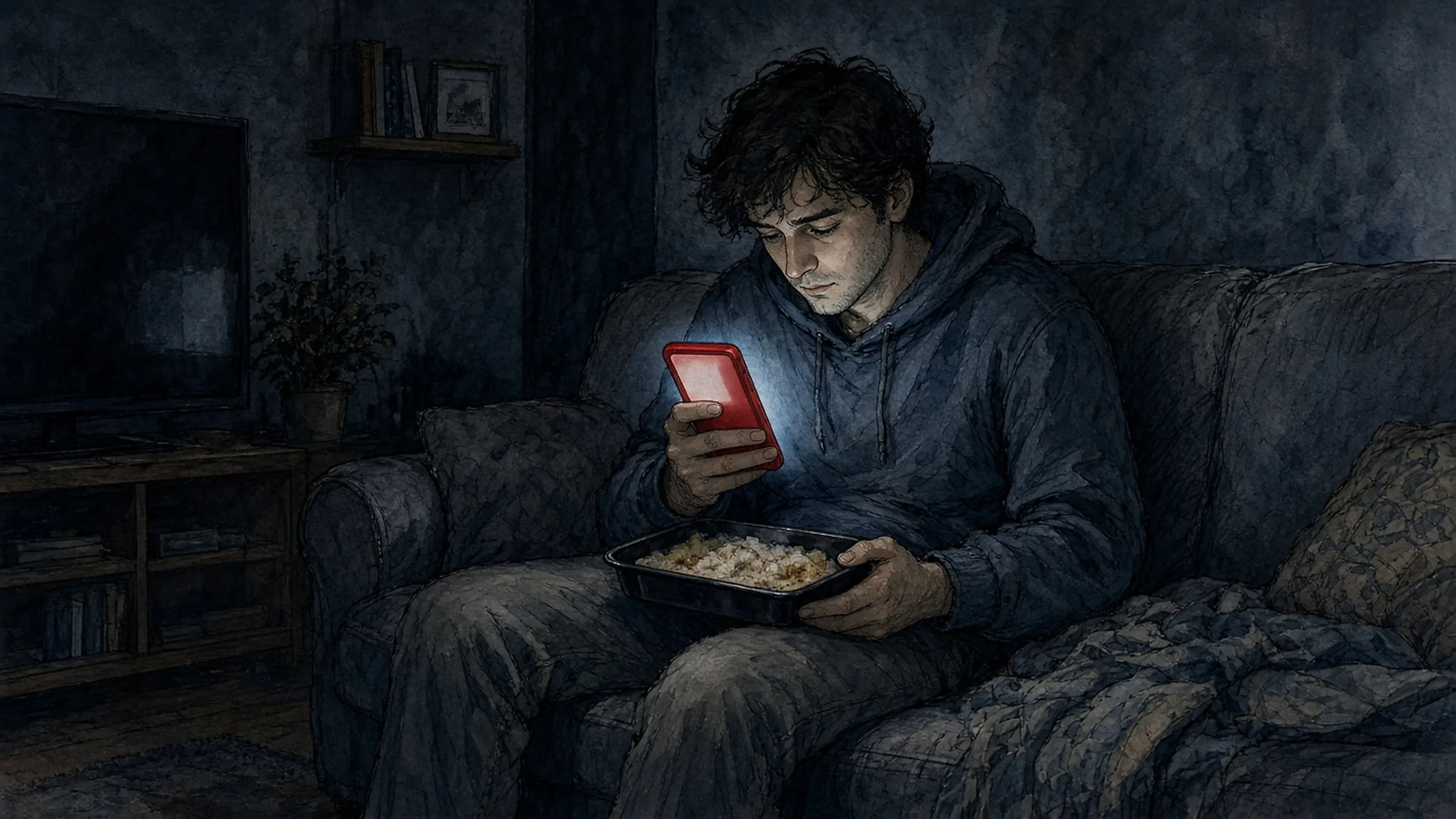
A young man alone on a couch in a dark room, eating from a tray, his face lit by a red phone.

07

Self-Protection

Time alone is good. You can recharge by yourself, and plenty of play happens on your own. The trouble is self-protection: pulling away to stay safe becomes our answer to every risk, hard relationship and worry about people. It looks like prudence, or good boundaries.

When life turns that way, everything turns inward. You overthink. You assume the worst.

You lose your sense of humor. You shrink your world to what feels safe, but in the process you make it too small for joy to fit inside.

Staying and working through it is often where the deeper joy is. Shared glances. Shared jokes. Shared presence. A conversation, a meal, a walk, a moment of lightness with someone who sees you.

Back to all ten forces ↑

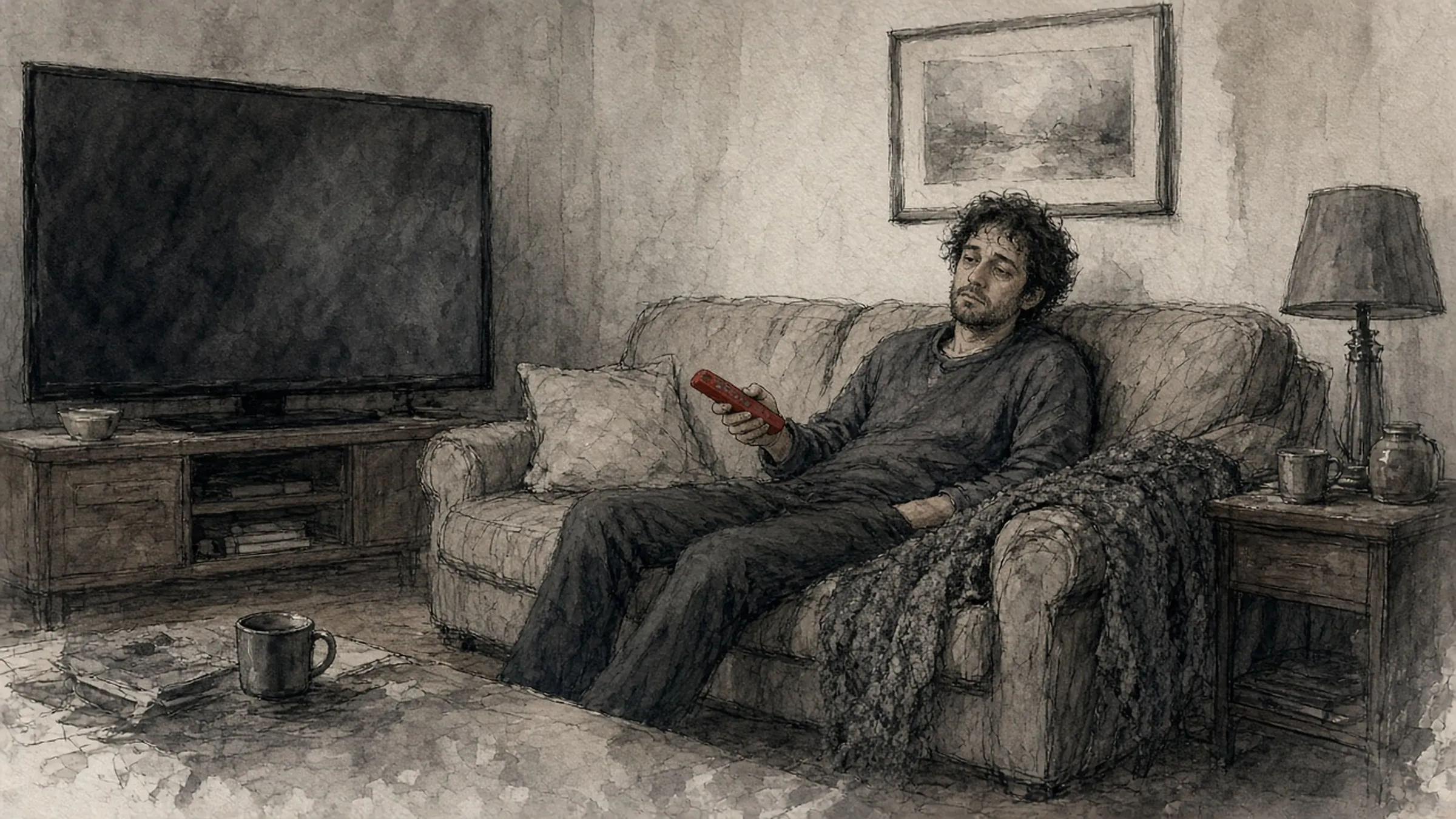
A man slumped on a couch in front of a television that is off, a red remote in his hand.

08

Languishing

Languishing is not dramatic. It is “meh.” You are not melting down. You are just not really here.

It looks like waking up tired, even after sleep. It looks like scrolling because nothing feels worth doing. It looks like sitting in front of a good thing and feeling nothing. Work is fine. Home is fine. You are “fine.”

But nothing really lands. Your emotions are on low volume. Your days blur. You are not destroyed. You are dulled.

Play never gets started in “meh.” Getting going is like push-starting an old car: the first few yards are all effort and nothing happens, and then the engine catches. The small gifts chosen on purpose are the push: a meal with friends, a task done well, a moment of delight, a simple act of generosity; sleep that restores, walks outside, honest conversations, meaningful projects, a reason to care again.

Return to these gifts, and play begins to reappear.

Back to all ten forces ↑

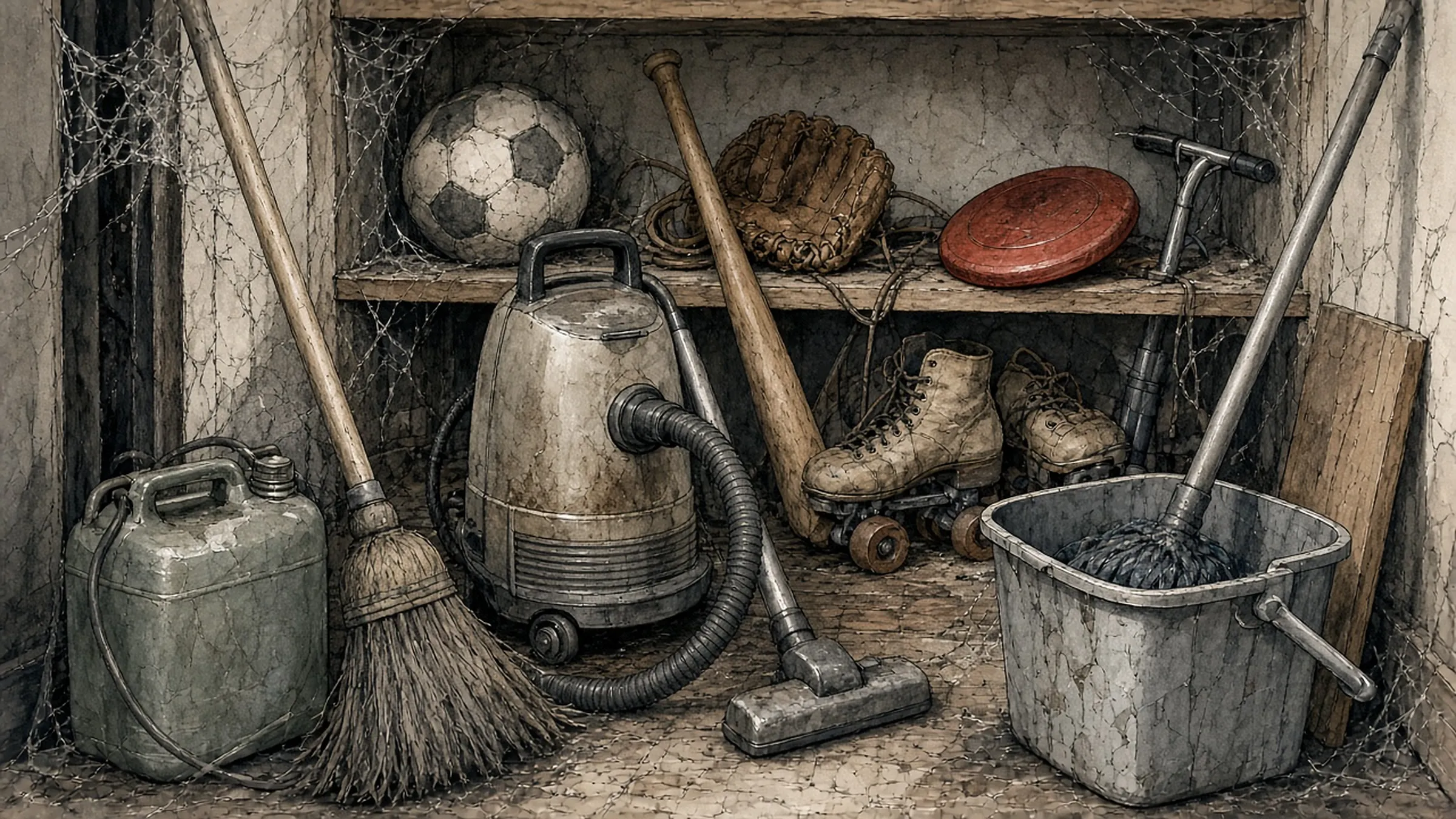
A ball, a glove, a red flying disc and roller skates on a shelf, pushed behind a vacuum, a broom and a mop bucket.

09

Atrophy

The longer you go without playing, the more out of shape you get for it: stiffer, weaker, less able to play. When long stretches go by without fun, delight, laughter, or imagination, you do not just lose playfulness.

You lose flexibility. You become rigid. Everything feels serious. You stop being curious. You react instead of respond. You get irritated faster. You take things personally. You struggle to shift gears or lighten the mood. This is what happens when life becomes all effort and no joy.

You dry out from the inside. Play is not something kids grow out of. It is something adults forget to protect. And when it disappears, we get brittle. Start small.

A real laugh. A pointless game. An unproductive hour with someone you love. The way back is to start playing again. Play does not return by thinking about it, but by trying it.

Back to all ten forces ↑

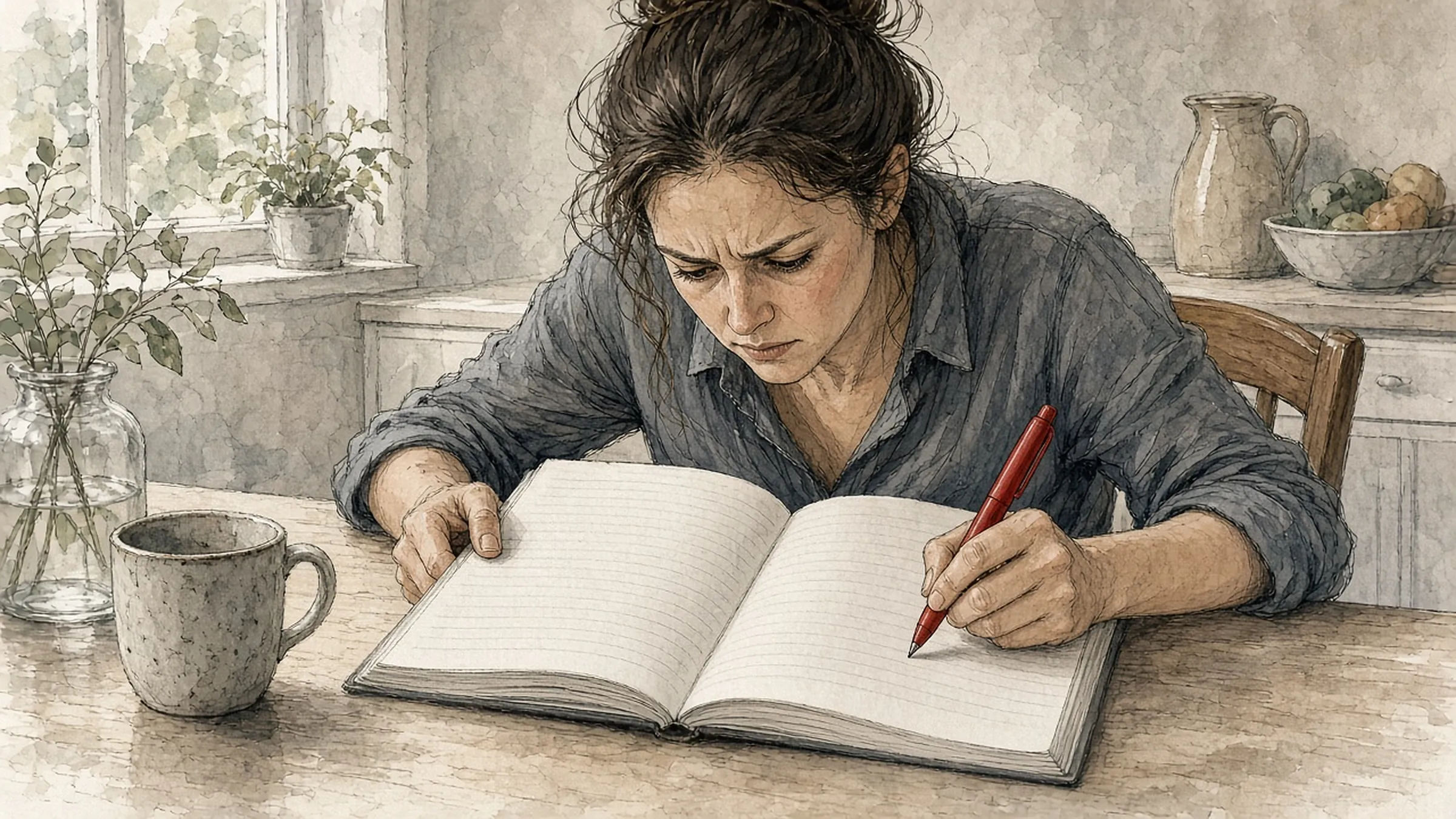
A woman bent over a planner, writing hard with a red pen.

10

Control

Under everything sits control: the belief that if you plan better, work harder, manage more, understand everything, and hold on tighter, life will finally cooperate. It is the death of play.

You cannot play if you demand guarantees. You cannot enter the moment if you require certainty.

You cannot enjoy what is given if you are always trying to improve it. Play begins where control ends. Not in despair, but in trust.

In the willingness to receive life as gift rather than project. In the courage to say, “I do not know how this will turn out, but there is still good here.”

Back to all ten forces ↑

The first four names come from Kevin Gushiken, A Theology of Play.

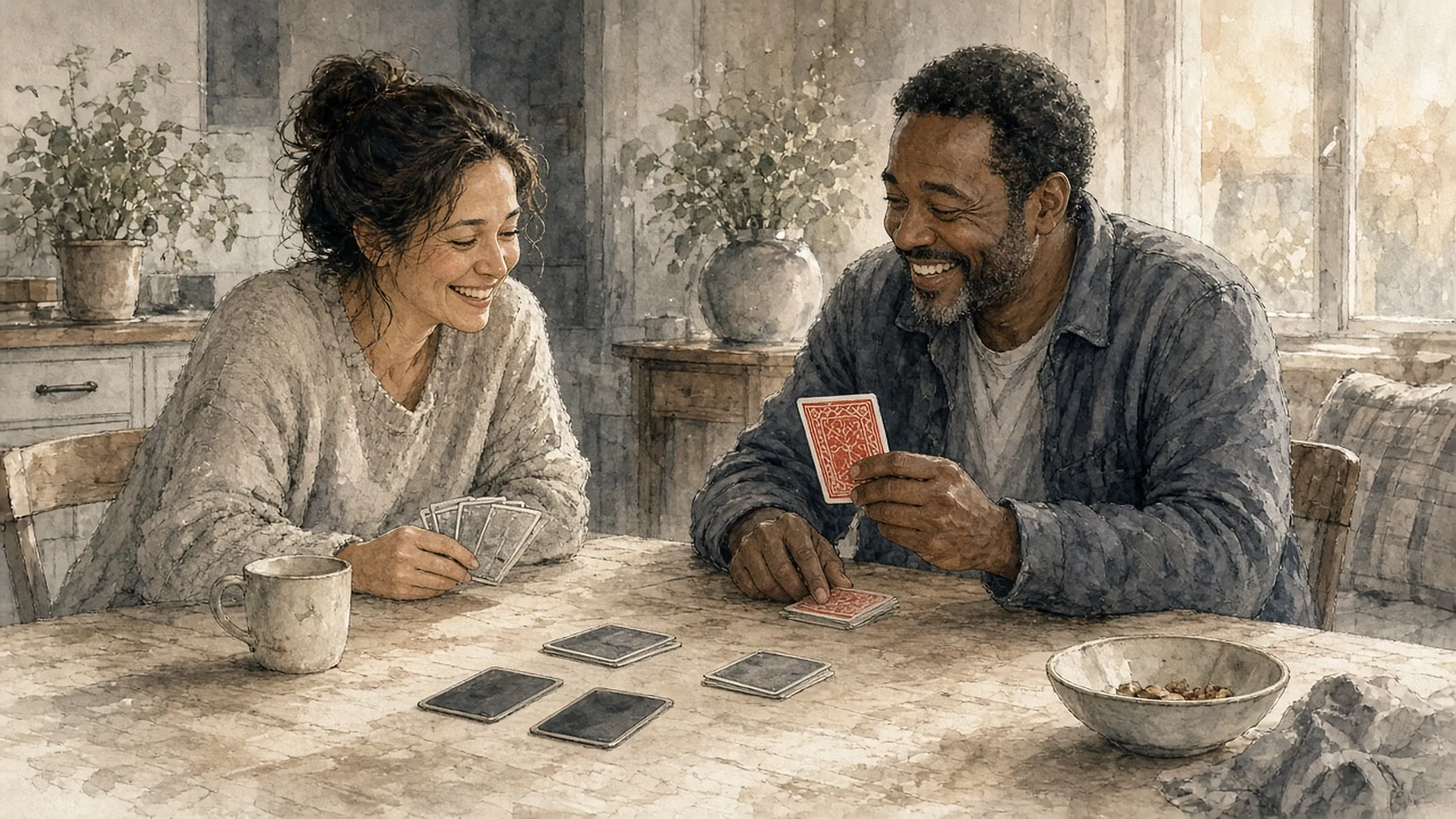
A man and a woman laughing at a kitchen table over a game of cards, a bowl of nuts between them.