What Is Nothing Better?
A Rule of Life from the Book of Ecclesiastes
What Is a Rule of Life
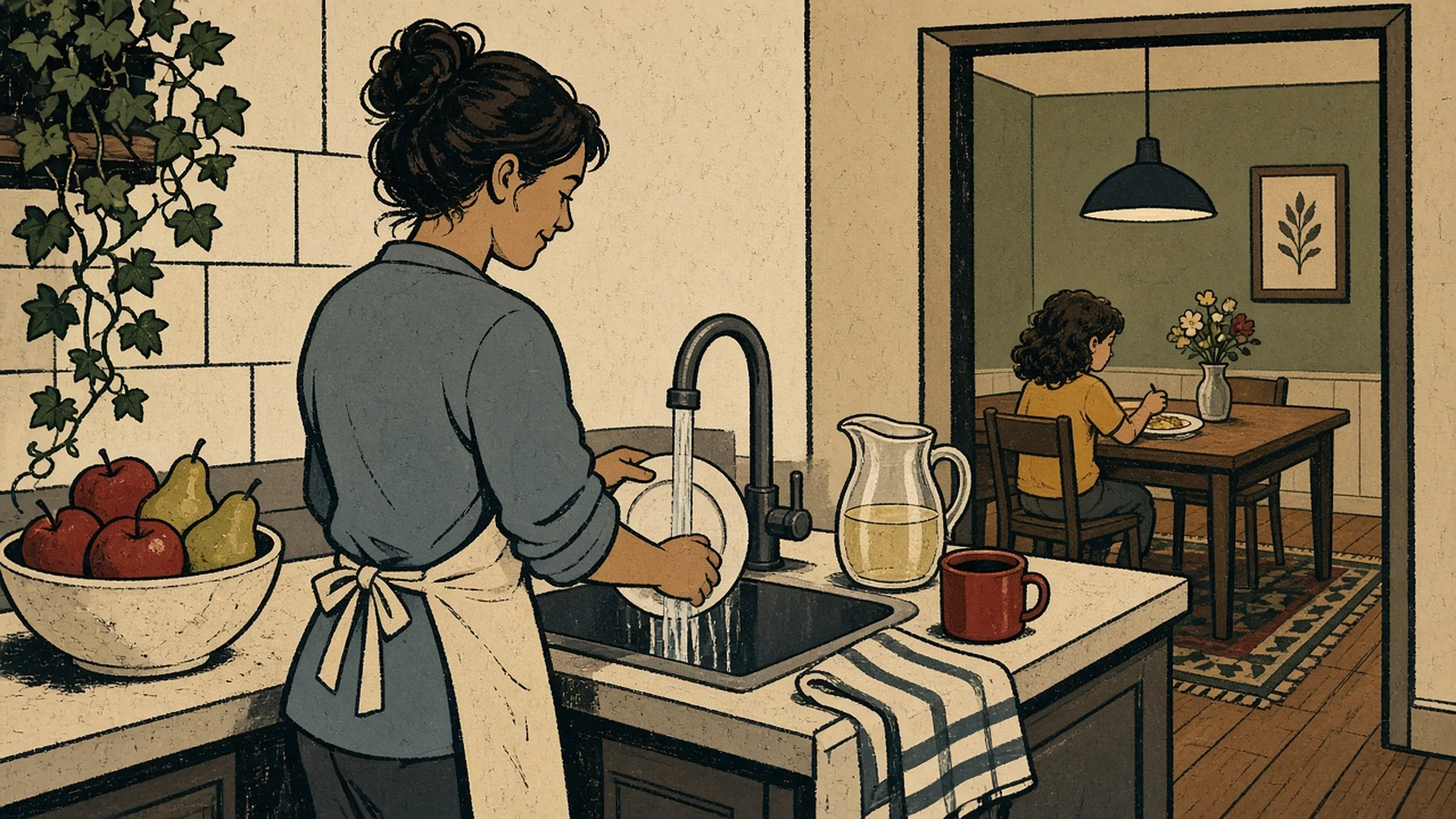
A Rule of Life is not a list of rules. It is a structure that gives shape to freedom. The word rule comes from the Latin regula, a straightedge. Many who write about a rule of life picture it as a trellis, a frame that helps something living grow upright and strong.
For centuries, Christians have written Rules of Life to order their days around what matters most: prayer, work, rest, hospitality, and love. These Rules were written to be kept inside ordinary days, in the work, the rest and the guest at the door.
Nothing Better is a Rule of Life from the Book of Ecclesiastes. It comes back to the book’s plainest advice: under the sun, when certainty fails and life refuses to make sense, there is still nothing better than to eat, drink, love, work, give, and rejoice.
Play is the faithful practice of joy within the limits of life. It is joy in motion, the God-given ability and permission to fully enjoy moments as He intended, with freedom and pleasure. Play is not separate from life but a characteristic of it, a mindset and way of being that infuses how we see the world. It is the posture of those who receive life as gift, not guarantee, and who enter each moment with presence, curiosity, and delight. Play is how faith takes shape in real time, how we move with God’s goodness inside the boundaries of our humanity. Play is joy practiced.
This Rule is a rhythm to keep, not a system to master. It asks you to hold your days lightly and to receive the ordinary ones as gifts.
There is nothing to prove. There is only life to receive, and nothing better than to play in it.
Nothing Better Than This

Life does not come with guarantees. We labor and build, love and lose, hope and hurt, and still the world remains mysterious. The harder we try to master it, the more it slips through our hands.
Ecclesiastes names this reality with stark honesty: “He has put eternity into man’s heart, yet so that he cannot find out what God has done from the beginning to the end” (Ecclesiastes 3:11).
We live with a hunger for what lasts forever, in a life that does not. That cannot be solved. It can be lived.
The wisdom of Ecclesiastes is an invitation to play. When we accept that life cannot be controlled or fully understood, we are free to receive it as gift. Play becomes our posture: living with courage, curiosity and joy when we do not know how things will turn out. It is trusting God with what we cannot hold, and enjoying what we can.
Nothing Better is a way of living with both. It frames the “nothing better” passages of Ecclesiastes as five gifts, simple, human ways to taste eternity in time: to feast with friends, do some good, enjoy your partner, share your stuff, and opt for joy. They teach us to receive life, to delight in it and to honor its Giver, because in a world we cannot control or fully explain, there is still nothing better than this.
The Three Longings

“He has put eternity into man’s heart, yet so that he cannot find out what God has done from the beginning to the end.”
Ecclesiastes 3:11
God has set eternity in us. He made us hungry for what we can sense but never fully reach. That hunger takes the shape of three great longings woven into every human life.
The Infinite: The Longing for Possibility
We dream of what could be. We reach beyond what we know, build new things, chase horizons that keep receding. This longing gets people out of bed to build things. It also brings a fear: running out of time, getting stuck, the door closing before we walk through it.
The Indelible: The Longing for Permanence
We want what lasts. We want to build something that endures, to be remembered, to know our love and work will not vanish like smoke. This longing moves us to build, to commit, to plant deeply. But it too carries fear: the fear of loss, of decay, of watching what we have built fall apart.
The Ideal: The Longing for Perfection
We hunger for what is true and beautiful. We want to live up to something worthy, to see the world as it was meant to be. But with it comes the fear of failure, of falling short, of never measuring up to the image we glimpse in our hearts.
These three longings pull us toward what is infinite, indelible and ideal, and they show us our limits. That is what makes this a quest. A quest is not a goal. A goal sits still and waits to be reached. A quest moves toward a horizon that recedes the closer you get.
That hunger for eternity is not a curse. It is a gift. It keeps us searching, and it draws us closer to the One who set eternity in our hearts. So if God has placed eternity in us, how do we live with it?
The Invitation to Play
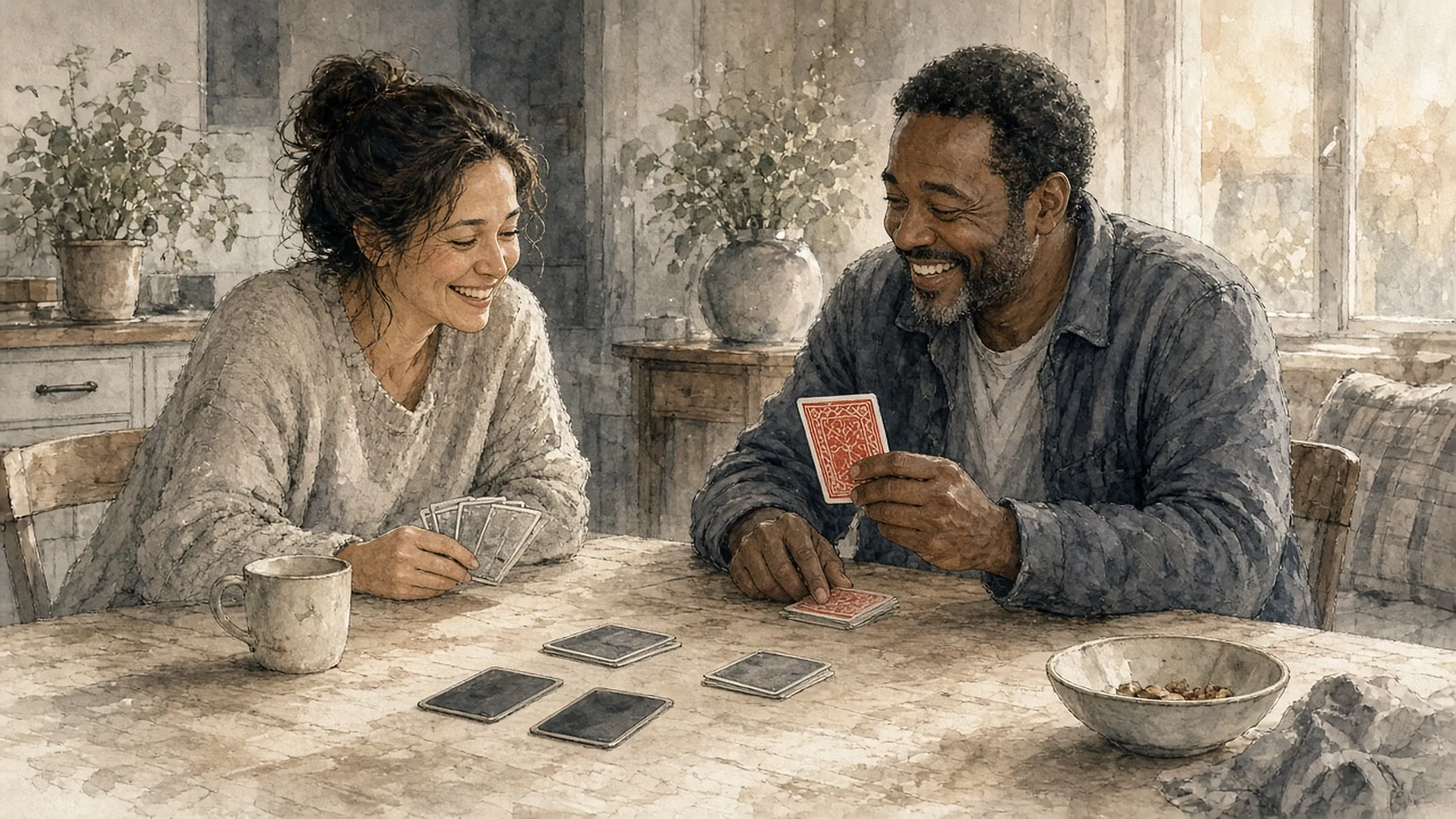
Life is vapor. We cannot hold it, predict it, or master it. We work hard, we love deeply, we build wisely, and still the wind carries it all away. The Preacher of Ecclesiastes calls this vapor “hevel”: a breath, steam off a cup on a cold morning. This could lead to despair, but Ecclesiastes refuses to end there. Amid the futility, God gives us something startling: joy.
He gives us moments of goodness: food and wine, love and labor, friendship and beauty, right in the middle of a short life. These gifts do not cancel the vapor. They are how we live inside it. We find meaning by receiving life as gift. And when we live this way, when we let go of control and enter the moment, we begin to play.
Play is the freedom to move lightly through a world we cannot control. To live playfully is to believe that God is at work even in what we do not understand. It is to live as if eternity is already touching time. Play is joy in motion.
The book of Ecclesiastes calls this way of living nothing better:
“There is nothing better for a person than that he should eat and drink and find enjoyment in his toil. This also, I saw, is from the hand of God.”
Ecclesiastes 2:24
Nothing Better does not tell you to chase pleasure. It asks you to receive joy. The good things of life are gifts, not guarantees, and they come by mercy. Faith is the courage to receive them and keep playing, expecting good things even when everything seems to fall apart.
The Five Nothing Better Gifts
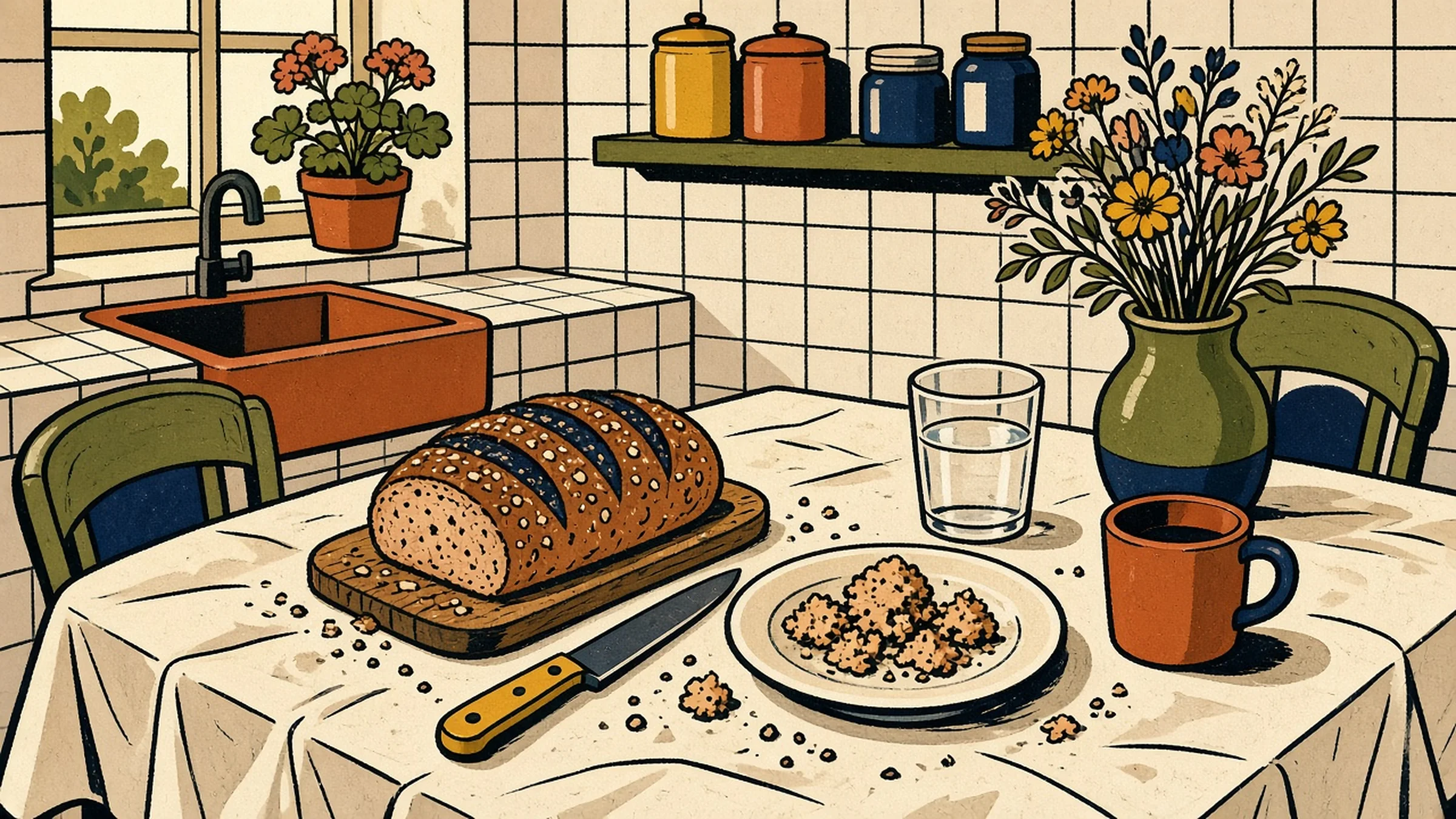
There are five so-called carpe diem passages in Ecclesiastes marked by the phrase “nothing better.” These passages are a poetic repetition of life’s kernels, planting us in the reality that when all seems lost or stripped away, we still have five simple gifts that make life meaningful. (Ecclesiastes 2:24; 3:12; 3:22; 8:15; 9:7-10)
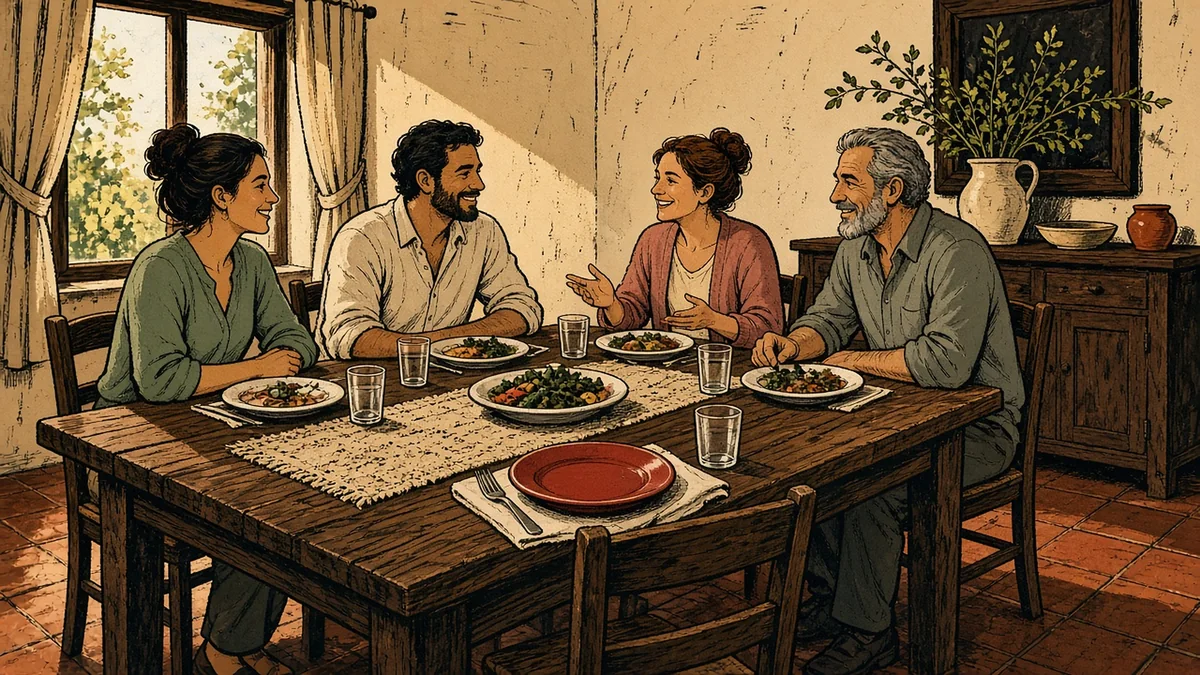
1. Feast with Friends (Play Through Presence)

Every feast is a protest against despair. We gather not because life is certain, but because it is not. To feast is to say that even here, even now, there is still goodness worth savoring.
But you cannot feast alone. A full table means nothing without real friends. This gift begins with the courage to reach out, listen, show up, and be known. It takes time, honesty, and forgiveness. Friendship is slow work, but it is the soil where joy grows.
When we sit with friends, we stop performing. The food can be simple. The laughter, the stories, the silence: all of it is gift. A shared meal reminds us that life, even fragile as it is, is still good.
At a feast, time slows down. The meal runs long, nobody checks the clock, and the best things cannot be rushed.
2. Do Some Good (Play Through Work)
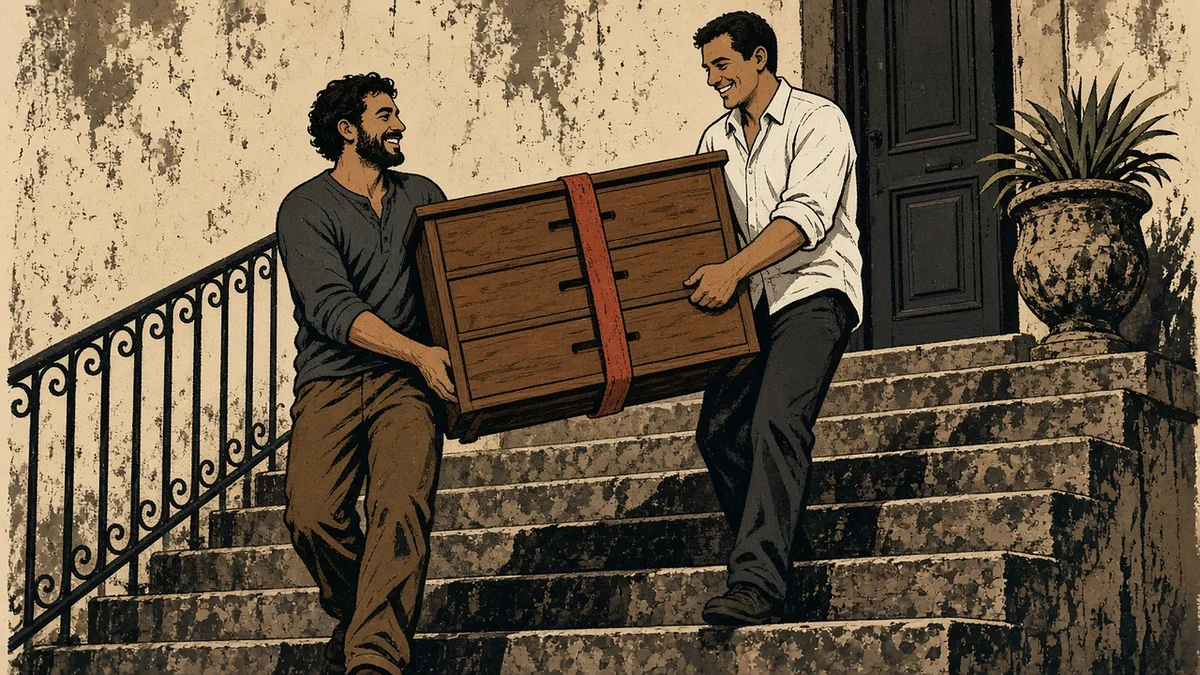
Work takes many forms. Some of it is paid, much of it is not. It can happen in an office, a workshop, a home, or a garden. Anytime we build, repair, teach, or serve, we are doing work that matters.
But work becomes too heavy when it’s about proving worth or maintaining control. Ecclesiastes urges us to find joy in applying ourselves fully to what is before us. A well-done task, big or small, brings a quiet sense of fulfillment.
We work not to secure our worth but to join God in His ongoing creation.
Play at work looks like a carpenter running a thumb along a sanded edge nobody will ever see. Good work has its own reward.
3. Enjoy Your Partner (Play Through Covenant)

Love is not meant to be managed. When we replace mystery and discovery with management and control, we choke the joy out of partnership. Familiarity, routine, and constant responsibility can make even good love grow dull if wonder is lost.
Marriage is a covenant, but it is also an unfolding story. It carries mystery and work, laughter and burden, risk and renewal. To enjoy your partner is to keep play alive in that story, letting joy breathe through the work of love.
To laugh, to rest, to touch, to dream: these are not distractions from covenant love. They are how it is lived.
Marriage is a friendship unlike any other, and friends play together. If you are not married, whatever the reason, this gift is still yours. Friendship is open to everyone, and it needs the same play: the shared joke, the long meal, the walk with nowhere to be.
4. Share Your Stuff (Play Through Generosity)
Scarcity runs deep in us. It tells us to hold tight, save more, and protect what we have. But everything we own will one day belong to someone else. That truth can make us afraid, or it can set us free.
When we share, we break fear’s control. Giving says that what we have is not who we are, and that there will be enough tomorrow.
An open hand holds more: time, money, encouragement, presence.
5. Opt for Joy (Play Through Uncertainty)

Life rarely gives clear answers. We live with limits, partial knowledge, and unanswered questions. Still, we are free to decide, to act, to risk, to choose joy even when we cannot see what’s ahead.
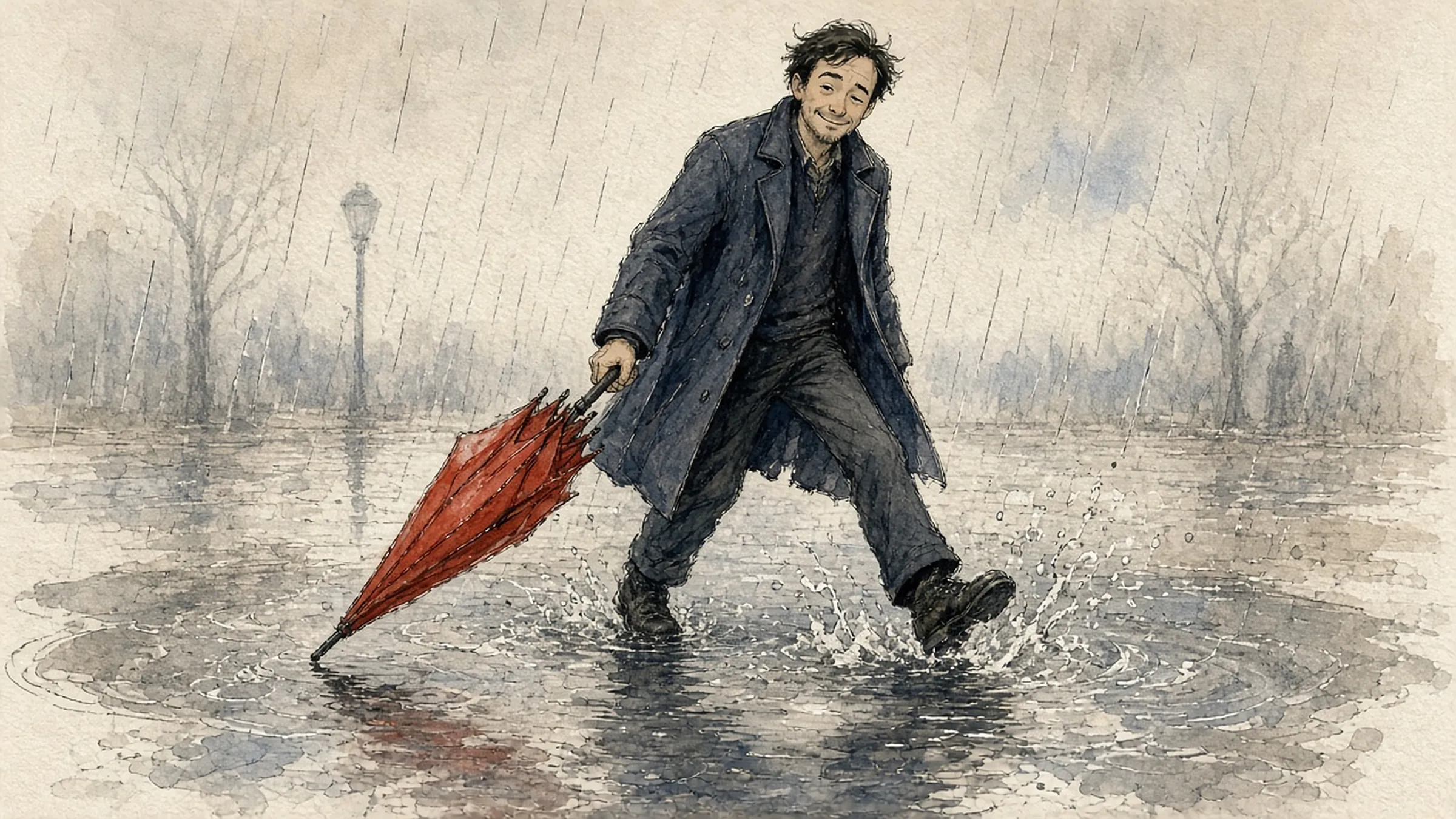
To opt for joy is not to ignore pain. It is to face uncertainty without being ruled by fear. It is choosing gratitude and courage when the outcome is unknown. Joy is a choice we make at the fork, before we can see where either road goes.
That is what play looks like here: moving forward when the future is unclear, and choosing joy anyway.
The Rhythm of Play
We were not made to master life but to live it. Control is a mirage. Certainty is rare. Yet within all that limitation, God gives us five simple gifts: friendship, work, love, generosity, and joy.
Each gift is an invitation to play inside the life we have.
In play we hold these ordinary gifts loosely and without fear, and in small moments of laughter, courage and grace, eternity touches time.
The rhythm of play is faithful. It honors limits and receives life as gift, not guarantee. And in a life we cannot control or fully understand, there is nothing better than to play in these gifts.
Benediction
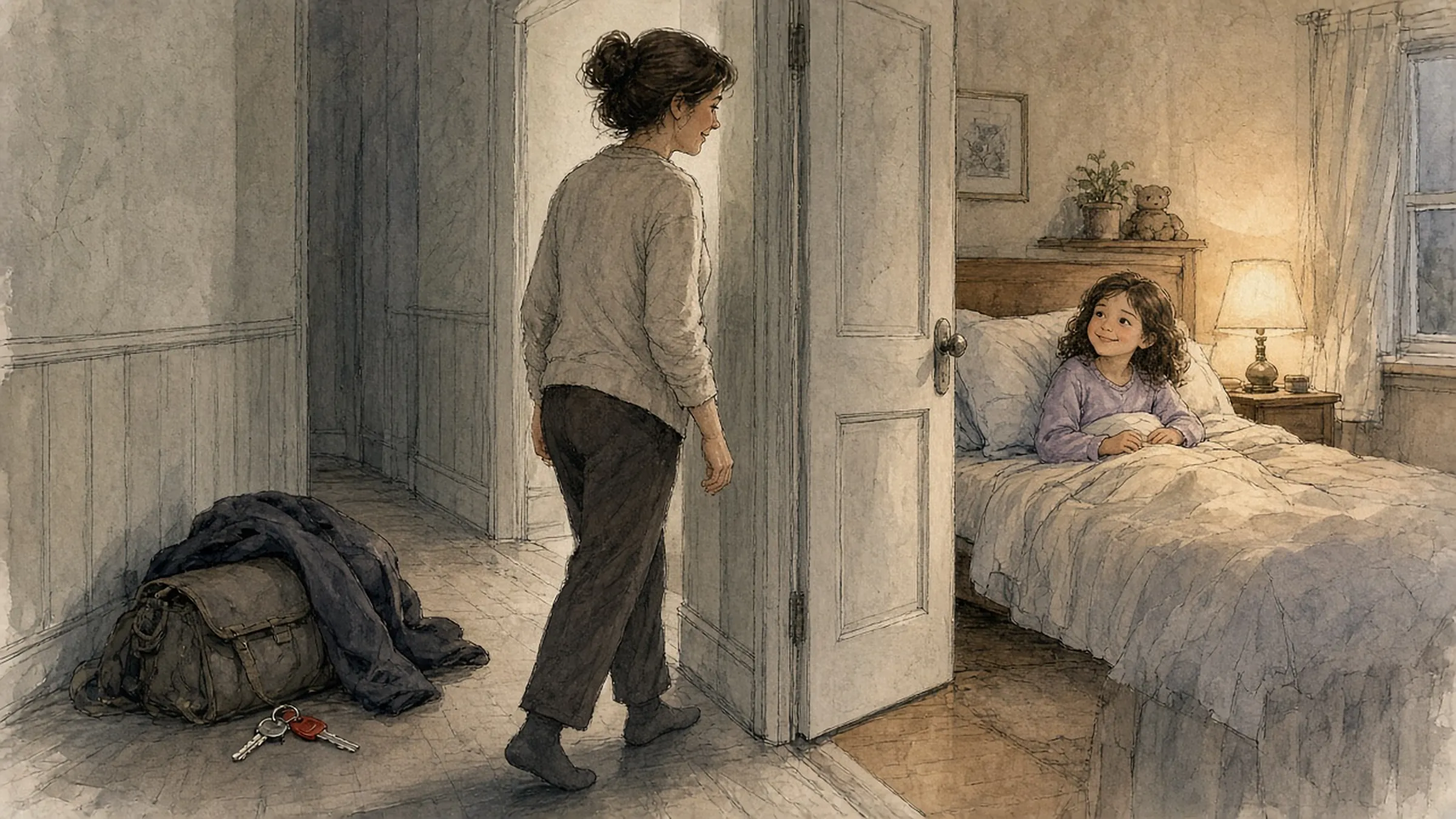
May you receive life as gift, not guarantee.
May your hands stay open, your heart stay soft, and your step stay light.
When control slips through your fingers, may trust take its place.
When sorrow comes, may you still taste joy.
When the path ahead is uncertain, may you find courage to play.
For God has set eternity in your heart, and under the sun, there is nothing better than to eat and drink, to work and love, and to find joy in the life He gives.